Thriving in SIL: Why the Right Support Team is Vital for Disability Housing Providers
Discover how high-quality support teams transform the lives of tenants in SIL. Learn more about Rose and Danielle’s story from Claro Disability Services, and get 4 expert tips for disability housing providers.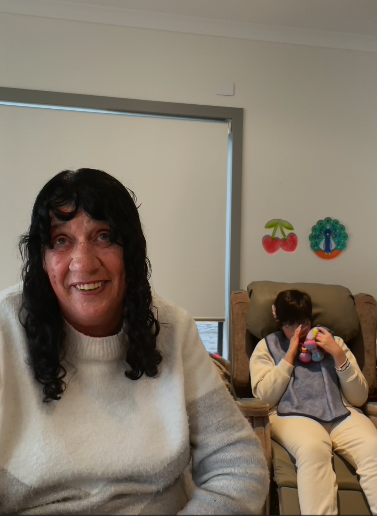 Danielle and her mum, Rose, in Danielle's SIL home. [Source: Supplied]



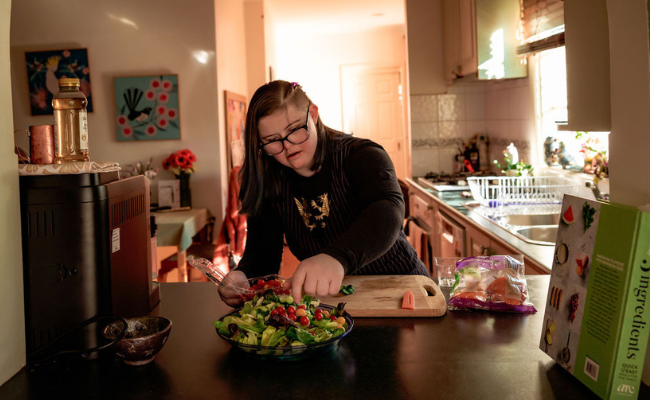
The right qualified support team is non-negotiable when it comes to upholding the rights and wellbeing of your tenants in disability housing. Danielle, a 40-year-old person living in a Supported Independent Living (SIL) home and her mum Rose have experienced both the good and not-so-good support that can be found in SIL. Rose says that getting the support right for tenants can save lives, and is the difference between thriving, or surviving. Danielle had a disappointing start to SIL tenancy. In her first SIL property (with a different provider), Danielle didn’t get enough to eat and wasn’t supported to exercise enough, resulting in three hospitalisations in three months.
“Every individual has unique needs, and there’s a huge responsibility to ensure those needs are met and they aren’t neglected,” says Rose.When Danielle moved into a new home with attentive support workers that put her at the centre, her health and wellbeing improved. She now walks with a walking stick, has learned to eat independently, participates in household chores, and is really enjoying life. Rose attributes some of Danielle’s improved wellbeing to a consistent and dedicated team of support staff. She says that continuity in the right SIL arrangement is so important.“Some [team members] have come and gone, but the main ones are still here,” says Rose. “That consistency is very important for Danielle because she builds rapport and relationships with them, which is crucial in any home situation.”
 Danielle and her mum, Rose, in Danielle's SIL home. [Source: Supplied]
4 Ways SIL Providers Can Improve Support Consistency
- Provide incentives for staff to stay in the field – ensures consistency for tenants.
- Invest in proper training – Assists staff to stay compliant and feel confident they are equipped with the knowledge needed to do their job.
- Communication is key: Scheduling should allow for a proper handover between support staff – To ensure the next support worker on shift knows everything they need to know about a tenant’s needs, how they wish to be supported, to know what to look out for, and prevent mistakes.
- Find the right support staff – Staff should be communicative, respectful, patient, reliable, have a sense of humour, and know when to step back and let a tenant do things for themselves.
Need expert support in the accessible housing market?
Our Team offers tailored advice, training, and hands-on support to help you manage vacancies, engage tenants, and navigate disability housing systems with confidence. Book a free meeting to learn how we can support your organisation.
Browse Resources
Housing Seeker Profile
Creating a Housing Seeker Profile is a simple process which involves telling us what you are looking for and what is important to you.
Housing Roadmap
The Housing Hub has worked alongside people with disability to map out the stages of a housing journey and the information you need to know about when moving through each step.