NDIS Changes: Success in Home and Living Applications
Housing Hub’s Clinical Advisor, Lydia, discusses submitting NDIS Home and Living applications in line with new NDIS changes.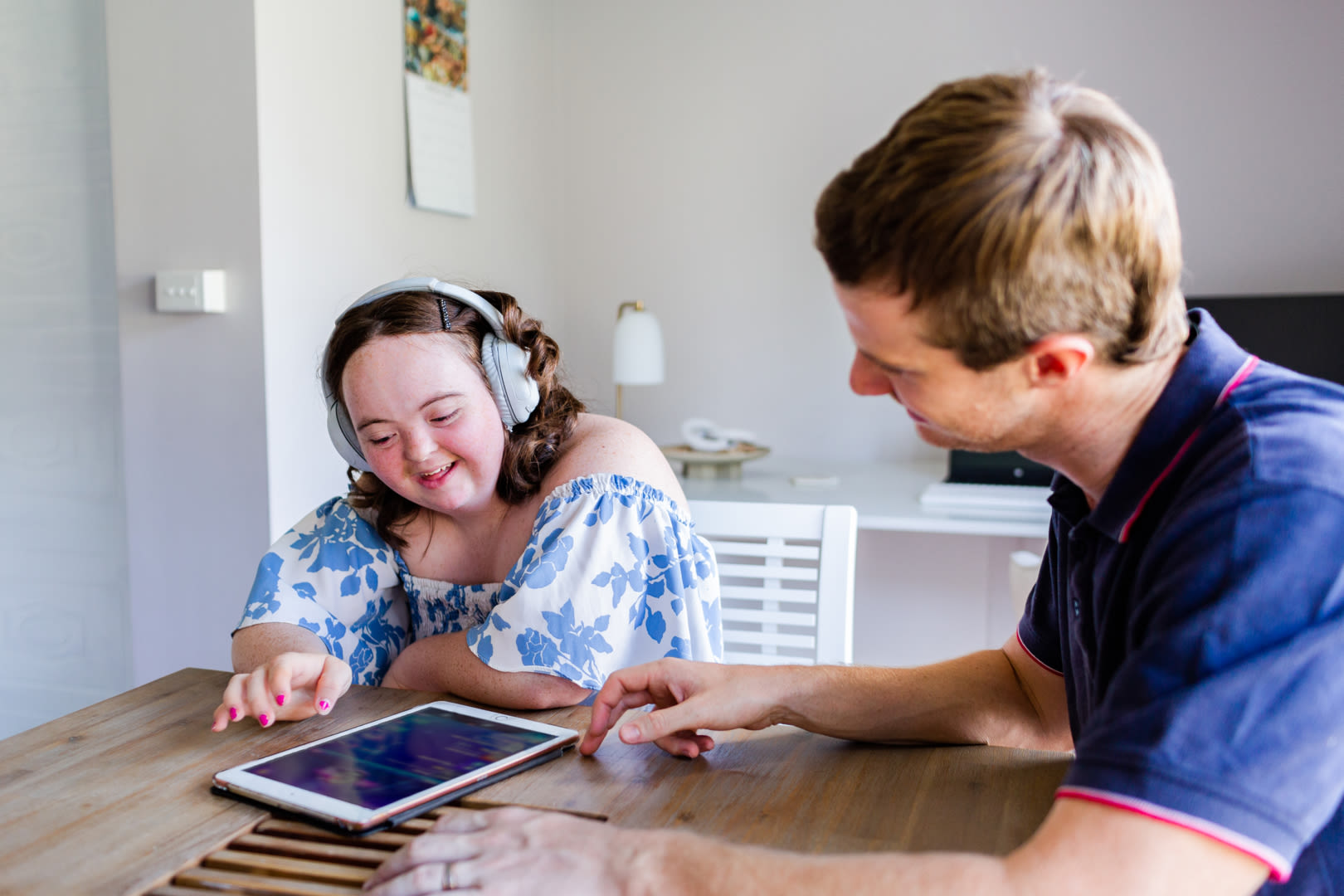 Changes to Reasonable and Necessary criteria may have some impact on Home and Living Applications. [Image: AusStock]Without these links, the application is likely to be unsuccessful. We anticipate that with the proposed changes to Reasonable and Necessary criteria, these restrictions are likely to become even tighter. The challenge is that many participants have multiple diagnoses, and are not always aware which ones are recognised by the NDIS. Currently, there isn’t a consistent way for people to access this information.
Our Consultancy team has extensive experience operating in the disability housing market, offering providers a tailored experience to benefit from our expertise in vacancy management, marketing, tenant matching and NDIS legislation. You can find out more about this service here.


Our team of Occupational Therapists (OTs) and Specialist Support Coordinators recently gathered for a professional development session. The focus was on the importance of ensuring that National Disability Insurance Scheme (NDIS) Home and Living Applications contain evidence that clearly links the requested support to the individual's NDIS-recognised disability.
Our team of Specialist Support Coordinators and OTs shared real-world challenges in accessing this information and aligning evidence with NDIA expectations.
When supporting someone to apply for Home and Living supports, such as Supported Independent Living (SIL), Individualised Living Options (ILO), or Specialist Disability Accommodation (SDA), we always start at the same point, asking: What disability did they meet NDIS access for?
Why We Do This
We do this because:- The National Disability Insurance Agency (NDIA) makes decisions based on recognised impairments, not just functional needs.
- Funding must be directly linked to the impact of that recognised disability.
- Evidence must clearly demonstrate how supports relate to that disability.
 Changes to Reasonable and Necessary criteria may have some impact on Home and Living Applications. [Image: AusStock]
What This Means In Practice
- Support coordinators and therapists may be working without full visibility of what the NDIA has formally accepted as recognised disabilities.
- Reports and recommendations risk being misaligned with NDIA decision-making frameworks
- Time is lost revisiting or reworking applications
- The focus of the assessment: Allied health assessments need to clearly link functional capacity to the specific disability the NDIA has accepted.
- The strength of the recommendations: Recommendations for supports (e.g. SIL ratios, assistive technology, housing design) must show a direct and reasonable connection to the NDIS recognised disability.
- Evidence alignment: Even when a participant has multiple diagnoses, only those recognised by the NDIA will be considered in funding decisions.
Tips From Our Expert Team
- Always confirm the recognised disability early in the process: Check Provider Digital Access (PRODA), ask the participant if they have their initial NDIS access letter, and ask if they have been issued an impairment letter.
- Request missing information proactively: This may involve submitting Participant Information Access or Freedom of Information requests.
- Align all reports and recommendations explicitly to the NDIS recognised disability, and make this clear when addressing Reasonable and Necessary criteria.
- Support participants to understand how their recognised disability influences funding decisions.
- Review internal scripts and guidance to ensure consistent messaging.
How can we help?
If you or your team needs support navigating Home and Living applications, our expert team offers specialised training to help. This has been popular lately given the growing uncertainty in the Home and Living space.We offer bespoke training completely tailored to your needs and experience level. This can look like:- Consultation and review of Home and Living report templates.
- Mentoring of Home and Living reports from an experienced clinician.
- 1:1 or team training workshops/professional development sessions.
About the author
Lydia Dockrill is a Clinical Practice Advisor who has worked extensively across many areas of the health and disability sectors in both Australia and New Zealand.Lydia is our resident expert at quality control and in developing documentation for NDIA funding and works both as a mentor to the team internally, and as a mentor/consultant externally.You can find out more about Lydia here.Our Consultancy team has extensive experience operating in the disability housing market, offering providers a tailored experience to benefit from our expertise in vacancy management, marketing, tenant matching and NDIS legislation. You can find out more about this service here.

Browse Resources
Housing Seeker Profile
Creating a Housing Seeker Profile is a simple process which involves telling us what you are looking for and what is important to you.
Housing Roadmap
The Housing Hub has worked alongside people with disability to map out the stages of a housing journey and the information you need to know about when moving through each step.