NDIS Changes: Independent Support Workers VS Providers
Jamie-Lee describes how recent NDIS changes may reduce flexibility and funding for independent support workers over support providers.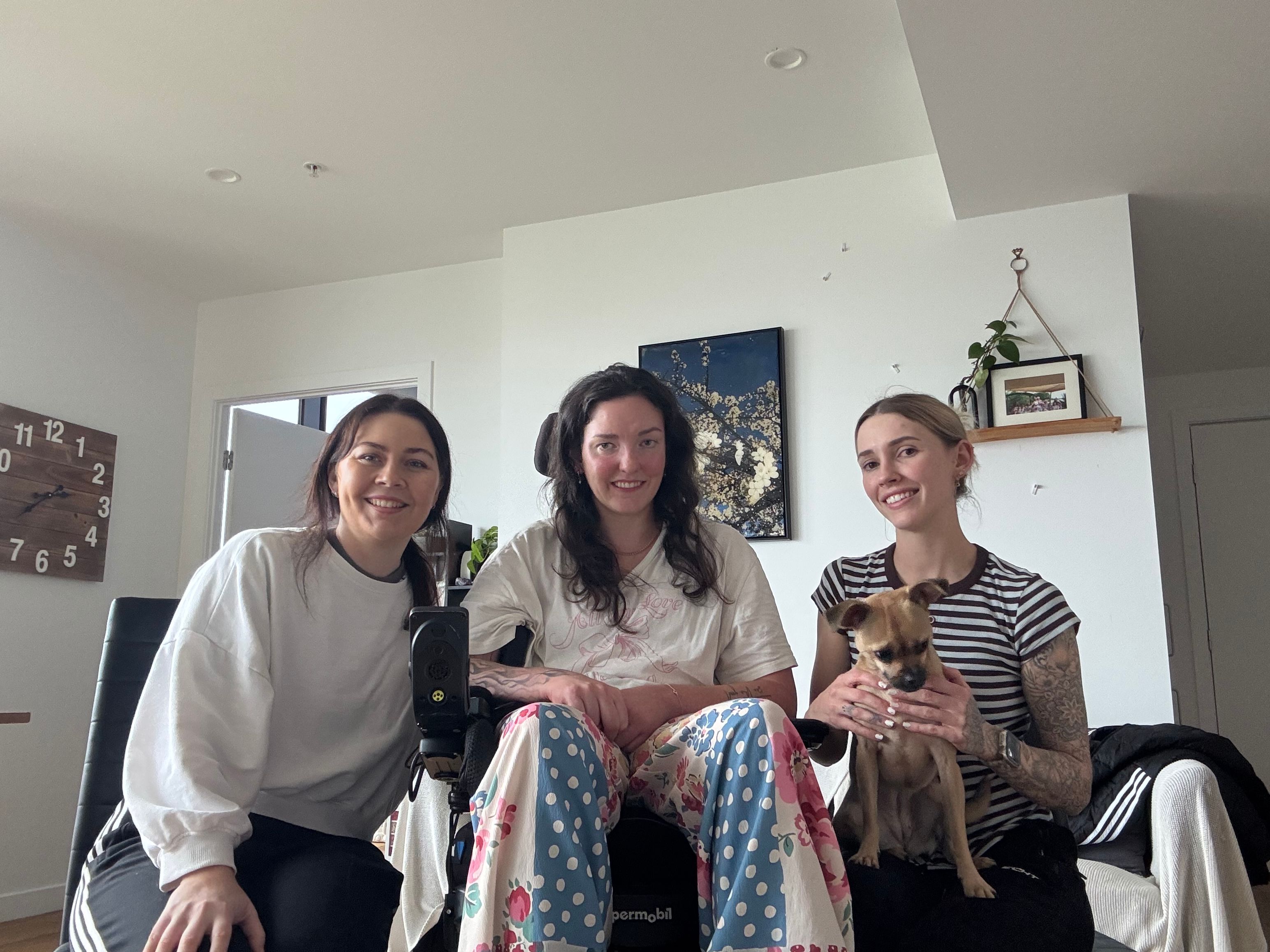 Jamie-Lee with two of her independent support workers. [Image: Supplied]
Article published: June 2026*This blog reflects current NDIS policy and legislation. Please note that these mentions may become incorrect as the NDIS changes.
The Housing Hub currently lists over 5,500 homes for people with disability. Search for a home that is right for you today!Or better still, create a Housing Seeker Profile and let the Housing Hub do the hard work for you. Sign up here!
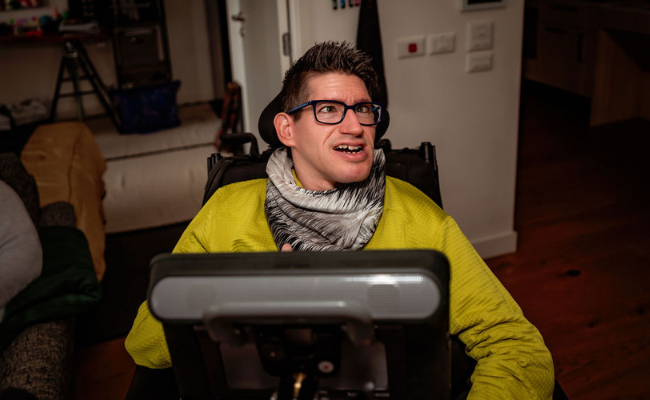

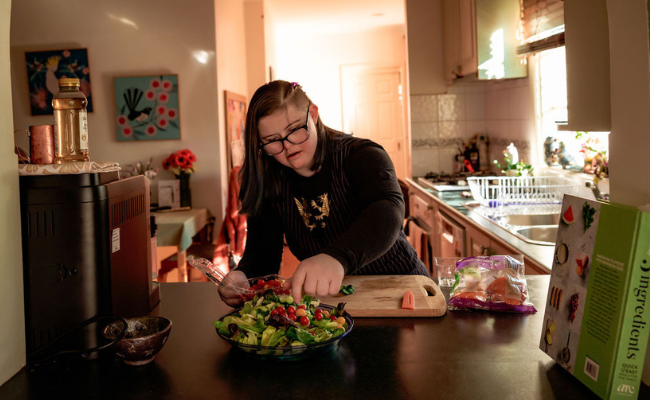
As someone who is severely affected by Friedreich’s Ataxia, I find that I need to be surrounded by a team of independent support workers who know me and can understand my speech.I’ve used a few different support providers and Onsite Support Services (OSS) through Specialist Disability Accommodation (SDA) providers, but they didn’t suit my individual needs. Some providers don’t always have regular staff available and often call agencies to fill shifts. I struggle when someone can’t understand or assist me with what I need help doing. It took a while for my current independent support workers to understand my speech impairment but now, they are familiar with my needs and we don’t need to talk about my routines all the time. This not only helps me, but them as well.When I first moved into a group home and was asked about my daily routines, I had no idea what they were talking about. Most people don’t have detailed routines they follow for breakfast, showering or for daily life.
With independent support workers, there is room for flexibility with routines, which offers freedom, choice and control – which is what the NDIS is all about. I no longer have to get up or shower at the same time everyday, I no longer have a set bed time or a set menu.
 Jamie-Lee with two of her independent support workers. [Image: Supplied]
NDIS Changes & The Impacts On My Supports
From mid-2026, the National Disability Insurance Agency (NDIA) is changing how the National Disability Insurance Scheme (NDIS) functions, focusing assessments on a person’s functional capacity, rather than relying solely on diagnosis.This change is intended to control costs, with the overall NDIS budget projected to $55 billion by 2030. Social and community participation funding is also being reduced in the average plan from $31,000 to around $26,000.I feel like this is a catch 22, as I want to see the NDIS functional for years to come, but these supports and funding are important for people with disability to live well. I’ve already seen the impacts of these changes first-hand with my sister. Her daily support has been cut by one hour per day, and funding for exercise physiotherapy has been cut in half. Exercise really helps slow down the deterioration of our progressive condition. This is a difficult repercussion to see. My plan was changed from being reviewed quarterly to monthly, which has resulted in its own issues. For example, my plan is evenly distributed over 12 months, but some months have more public holidays and result in higher spending. This has seen delays in payment for some of my support workers.Independent Supporters VS OSS
The relationships I have with my independent support workers are so valuable.I don’t think most people realise how hard it is to let people into your home to live your day-to-day life. It’s important to me to know that I’m safe, heard, respected, and with people I trust.I get really anxious and frustrated when someone can’t understand me, and I can imagine that they also struggle understanding my speech. It is also really important to be around people I can laugh at the little things with.I’m rarely alone and this is really hard for someone like me, who loves her own company, but it’s so much easier when you have people you have a good rapport with.From my experience, some OSS feel impersonal, and some staff make me feel like they view providing support as just a ‘job’ to them.At my last SDA apartment, I had agency workers providing OSS, but they often didn’t know what support they were meant to be providing. I had an OSS worker knock on the front door, yell out to me and ask me to walk over and open it. She obviously had no idea the building was occupied by SDA tenants that used wheelchairs.
Living Well In A New System
These NDIS changes can come with anxiety and uncertainty, but I make the most of what I have available. I really like my life, and I’m bewildered that people don’t seem to think I have the mental competence to live my life.As this new system unfolds, I have applied for two weeks of 2:1 support funding to allow me to travel with two support workers for work reasons. My occupational therapist (OT) is writing a report justifying my need for travelling with two independent support workers instead of using local support providers. The report will address the new value for money NDIS criteria as part of a request for increased Assistance with Daily Living (ADL) and Supported Independent Living (SIL). I’m hoping these justifications are accepted, and my life won’t be disrupted too much by these changes. I am being assisted with this by my support coordinator, but if you are in a similar situation to me, Housing Hub’s Home and Living Support Coordination service can assist so you have the best chance of having this accepted by the NDIA.Article published: June 2026*This blog reflects current NDIS policy and legislation. Please note that these mentions may become incorrect as the NDIS changes.
About The Author
Jamie-Lee loves to challenge stereotypes surrounding disability; her lived experience of growing up with a disability motivates her advocacy. Having studied journalism at university, she uses her writing skills to her advantage. She hopes to help other people with a disability along their journey, encouraging vulnerable people to find their voice. She believes that diversity will pave the way to equality for all.The Housing Hub currently lists over 5,500 homes for people with disability. Search for a home that is right for you today!Or better still, create a Housing Seeker Profile and let the Housing Hub do the hard work for you. Sign up here!
Browse Resources
Housing Seeker Profile
Creating a Housing Seeker Profile is a simple process which involves telling us what you are looking for and what is important to you.
Housing Roadmap
The Housing Hub has worked alongside people with disability to map out the stages of a housing journey and the information you need to know about when moving through each step.