Becoming An Accessible Housing Provider That People Choose
Learn how accessible housing providers can build trust and work towards becoming a provider people would choose. Jennifer Morgan from Claro Disability Services shares insights on person-centred support, rights-based approaches, and consistent practice. Frontline teams should be supported by clinical expertise when needed, especially during times of change. This can include learning new skills, or knowing how to respond to incidents.When a person’s support needs change, it’s important to respond early and work alongside the tenant and their supporters. This helps everyone feel informed, prepared, and supported through change.

 Jennifer Morgan, Claro Disability Services. [Image: Supplied]

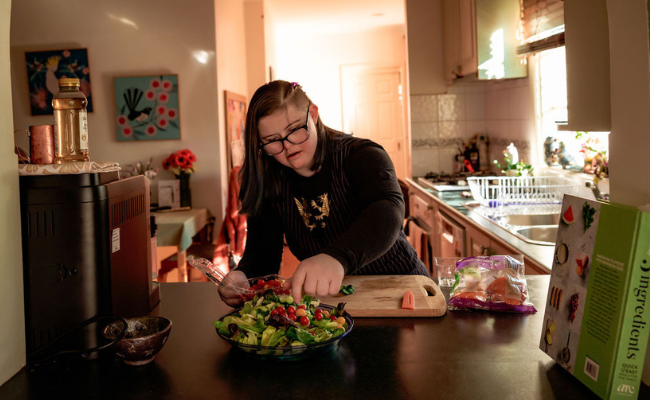
Being a provider of choice in accessible housing means focusing on what matters most to the people who live in your homes, and continuing to learn, improve, and be accountable over time.As providers, we should learn from the people who live in your homes, as well as research good practice across Australia. This helps us keep improving how we support people and build trust with tenants, families, and other supporters.Here are some of the areas to focus on:
Strong Practice Leadership
Leaders cannot lead just from the head office. They must be seeing what’s happening in people’s homes, observing how support is delivered, listening to tenants and staff, and giving active coaching and feedback that helps teams grow.
Consistent, Person-Centred Support
People must choose who they live with, and those choices should be respected.Accessible housing providers play a role in supporting people to make informed choices about who they share a home with. This includes planning ahead, understanding preferences, and responding early if challenges arise.It’s important to take time to understand each person; what matters to them, what works well, and what support looks like in practice.Moving into a new home can be a big change. Providers should support people's choices through this process in a way that recognises both the challenges and the opportunities, and supports people to feel confident and in control.Homes That Feel Like Home With A Rights-Based Approach
A home should feel like a place where you belong.When setting up or improving a home, it’s important to avoid clinical or institutional design and focus on what people want in their everyday lives.House expectations should be shaped with the people who live there, not set without them. This supports choice, control, shared understanding and sustainable outcomes.Tenants (and their families) should feel safe to say what’s working and what’s not, and know they will be listened to and taken seriously.Support should also extend beyond the home. People should be supported to be part of their community, build relationships, work or study if they choose, and spend time doing what matters to them.This starts with having a consistent team who share strong values and are supported with the right training.Tips For Putting Good Practice Into Action
- Hold yourself accountable to high standards and keep reviewing your practice
- Don’t ignore issues because they’ve been there a long time. Work with people to address them
- Be clear and honest about what you can and can’t do
- Be mindful of the trust people place in you and the responsibility that comes with it
- Share what’s going well, not just when things go wrong
- Keep housing and support separate, so people have greater choice and control.
Need expert support in the accessible housing market?
Our Team offers tailored advice, training, and hands-on support to help you manage vacancies, engage tenants, and navigate disability housing systems with confidence. Book a free meeting to learn how we can support your organisation.
Jennifer is a values-driven executive leader with more than 20 years of experience in disability, mental health, and community services. A registered psychologist with postgraduate qualifications in forensic mental health and business leadership, Jennifer brings a deep commitment to human rights-based, person-centred practice. Her background includes executive roles in national organisations where she led clinical governance, operational transformation, and quality improvement initiatives. At Claro, Jennifer leads service delivery and quality strategy, ensuring our clients receive high-impact, evidence-informed support tailored to their needs.
 Jennifer Morgan, Claro Disability Services. [Image: Supplied]
Browse Resources
Housing Seeker Profile
Creating a Housing Seeker Profile is a simple process which involves telling us what you are looking for and what is important to you.
Housing Roadmap
The Housing Hub has worked alongside people with disability to map out the stages of a housing journey and the information you need to know about when moving through each step.