Access to Safe Disability Housing Shouldn’t Depend on Family Advocacy
Drawing from her daughter’s successful appeal for NDIS Specialist Disability Accommodation (SDA), psychologist Dr Lisa Grech highlights how access to safe, dignified disability housing often depends on having someone who can navigate a complex and exhausting advocacy process. 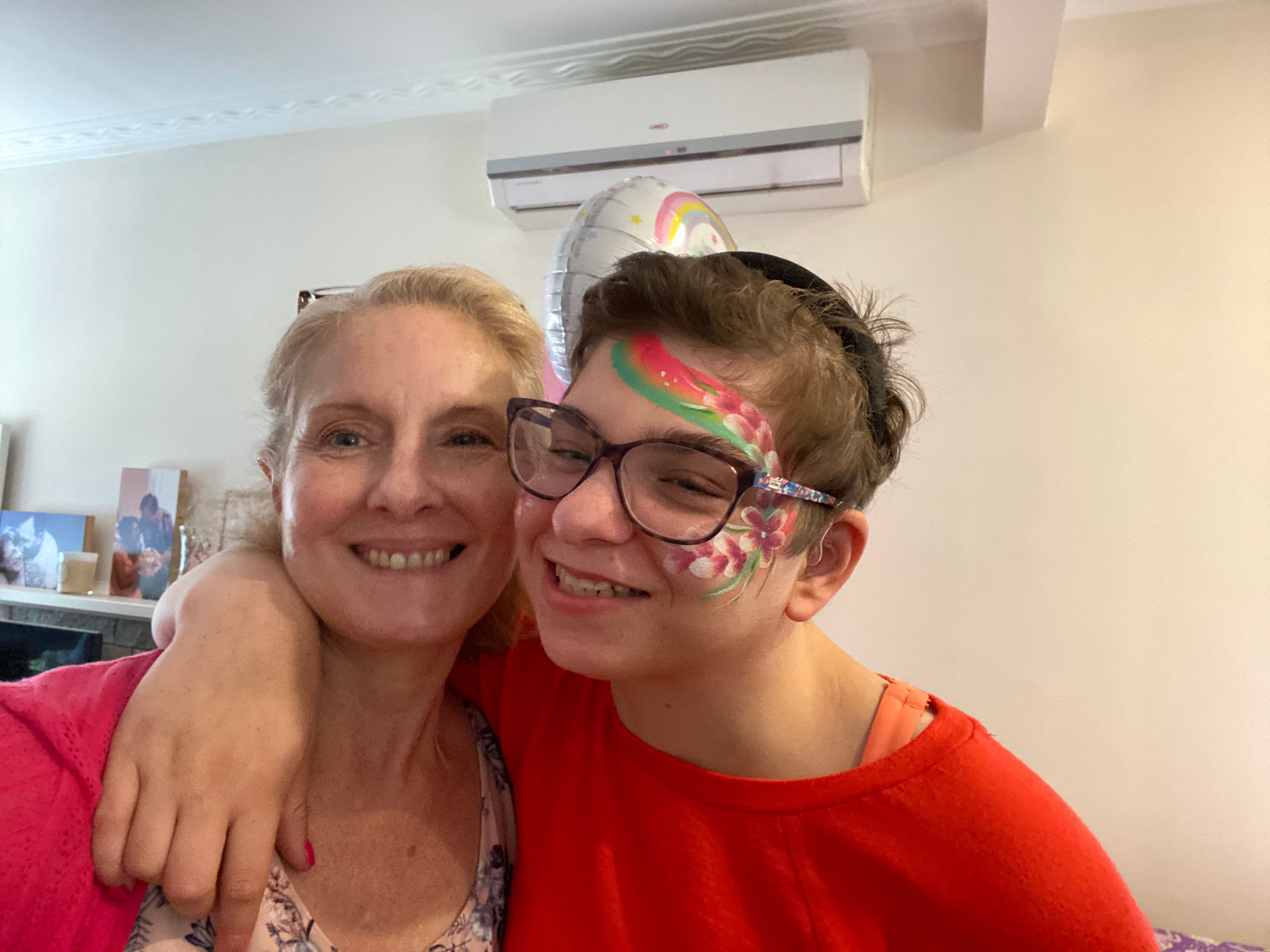 Dr Lisa Grech and her daughter, Hannah, (pictured) went through the process of accessing safe disability housing which required a significant amount of advocacy. I have worked with people living in SRS accommodation who have severe mental illness or intellectual disability. Many without family, and others with family unable to advocate for them the way I can for Hannah. When the National Disability Insurance Scheme (NDIS) knocks back their applications, as it often does, they don’t appeal. They give up, because the system is too complex, the forms too dense, the process too exhausting for someone already stretched thin by illness or disability. The NDIS application rejection reinforces the belief that many have ingrained: that they don’t deserve support and that our society doesn’t care about them.But even for those who do have someone to fight for them, the problem doesn’t end there. Not everyone meets the stringent criteria for SDA, and for people who fall outside it, there is often nothing suitable to turn to. No respectful, safe, dignified option between living with family who cannot sustain the level of support needed, and a SRS that was never designed or regulated to support people with severe psychosocial disability.
Article published: August 2026

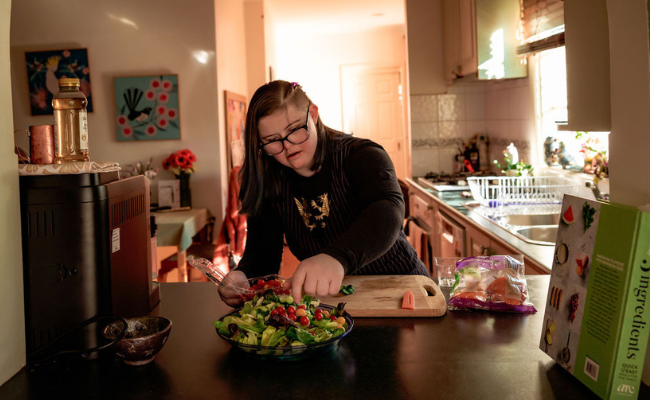
My daughter, Hannah, has a severe intellectual disability. Her disability means she needs continual support. Thanks to Specialist Disability Accommodation (SDA) funding with Appendix H so that she can share a home with a person of her choice, she has a stable, safe and appropriate place to live. However, when we first applied, the NDIS knocked her back, ruling her ineligible for SDA. With the help of a Housing Hub Home and Living Specialist, we took the rejection to the Administrative Review Tribunal (ART), and she finally received the funding she is entitled to.
The Realities of Supported Residential Services (SRS)
I think about that stressful and exhausting fight often, especially in my work as a psychologist with clients living in privately run Supported Residential Services (SRS), which are minimally regulated congregate accommodation that houses some of Australia’s most vulnerable people. Accommodation that, at its worst, is defined by understaffing, unhygienic conditions, financial exploitation and a chronic loss of privacy and autonomy. Dr Lisa Grech and her daughter, Hannah, (pictured) went through the process of accessing safe disability housing which required a significant amount of advocacy.
 Disability Housing Structural Failures
Watching that divergence is a sliding doors moment for me. Hannah and the people I have worked with are equally deserving of a safe, dignified home. What separates their outcomes isn’t need or worthiness. It’s whether someone was standing beside them, able to fight a system that assumes people can self-advocate their way through review tribunals, medical evidence requirements and bureaucratic appeals, and whether a suitable option exists at all once that fight is won.This is a two-fold structural failure.- The system is built for people who can advocate for themselves or have someone who will advocate for them.
- A disability housing system that lacks appropriate accommodation for people with disability that don’t qualify for current NDIS accommodation options.
Learn more about Lisa's and Hannah's story, including how we helped them along the way, in this video.
Article published: August 2026
Questions about NDIS Housing?
Call the Housing Hub Advice Line1300 61 64 63For NDIS participants, their families, and supporters. Monday – Friday 10.00am – 4.00pm AEST. You can also email us anytime at housingoptions@housinghub.org.au.
Browse Resources
Housing Seeker Profile
Creating a Housing Seeker Profile is a simple process which involves telling us what you are looking for and what is important to you.
Housing Roadmap
The Housing Hub has worked alongside people with disability to map out the stages of a housing journey and the information you need to know about when moving through each step.