What’s Needed, Not What’s Listed: Impacts of Recent ART Decision on Future of SDA
Alecia & Vince explain the latest decision by the ART, why the future of SDA is not limited to the SDA Price Guide, and why that’s good news for all.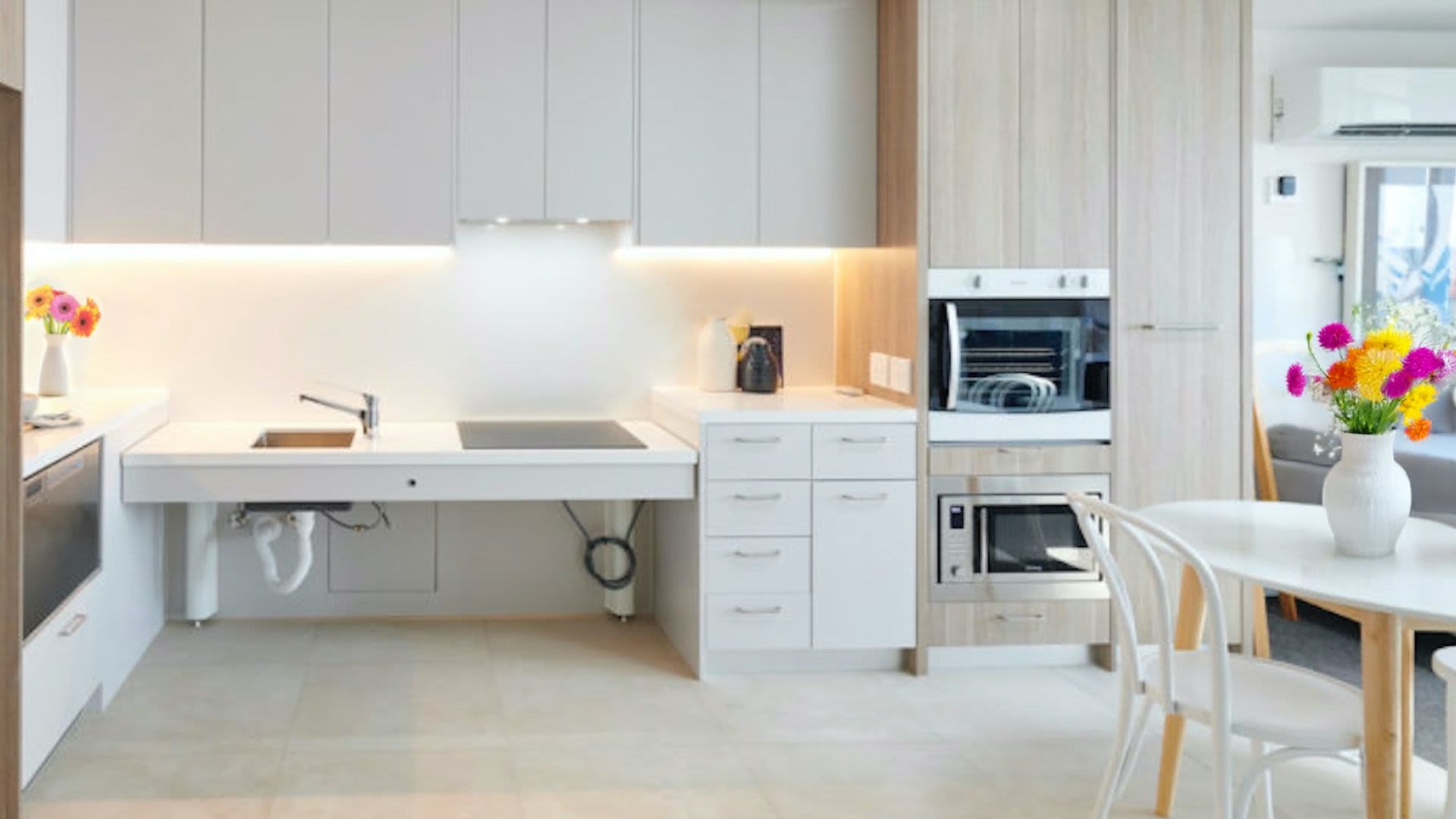 A kitchen in an SDA home. In the decision above, the ART found that the absence of a 1-resident House category in the SDA Price Guide does not amount to a legislative exclusion. This is an important correction to a common misunderstanding within the sector.The ART decision is clear:


There’s no two ways about it: SDA has revolutionised housing for people who need a lot of support. While significant issues remain for participants and providers alike, many people with SDA funding in their NDIS plans are now living with newfound independence, in homes that support each person’s individual needs and lifestyle.But for some people who need SDA to live well, their vision for a home that suits their situation had been compromised by a rigid list of options – if it wasn’t in the SDA Price Guide, it wasn’t possible. But a decision by the Administrative Review Tribunal (ART) in November has turned that thinking on its head, and provided important clarity for participants, families and supporters, as well as housing providers who recognise the need for bespoke, person-centred housing solutions.
The ART’s key clarification: Supports are defined by legislation – not by omission
 A kitchen in an SDA home.
 - The NDIS Act and the SDA Rules determine what supports can be funded.
- The SDA Pricing Arrangements and Price Limits (usually referred to as the SDA Price Guide) is not the source of truth about what is possible – it simply sets maximum prices for what is allowed under the law.
- A missing category in the SDA Price Guide does not extinguish a participant’s right to the support they need.
Why this matters: The SDA market must be built around people, not menus
One of the strongest signals coming out of this decision is the need for all of us – participants, families, supporters, providers and enablers – to remain focused on individualised housing solutions, not a checklist of pre-defined categories.For years, we have heard from people and organisations who have felt confined by the SDA Price Guide’s examples or dwelling types. But this decision reminds us that:- The SDA Price Guide does not represent the limits of what is possible, or what may be funded.
- “Not listed” does not mean “not allowed.”
- Participants do not lose the right to reasonable and necessary housing supports simply because the SDA Price Guide (or SDA Design Standard) doesn’t include it.
- Bespoke home designs.
- Innovative 1-participant housing solutions.
- Housing solutions that include both SDA-funded participants and non-SDA tenants.
- Participant-owned SDA.
- Culturally specific or geographically unique homes.
Evidence matters
It’s important to say that this ART decision doesn’t open the door to unfettered creativity. But it does reinforce the message that good evidence underpins great outcomes.The case shows the importance of:- Clear evidence around an individual’s functional capacity and need for support.
- A well-articulated link between the person’s needs and the proposed home being a reasonable and necessary response to those needs.
- A clear narrative that accurately describes a person’s lifestyle, culture, safety, connection to community, and long-term outcomes.
Implications for innovation in the sector
ART decisions are not precedents in the strict legal sense, but they are influential. They create expectation, consistency and clarity – all of which are essential in a maturing SDA market.For the sector, this decision reinforces that:- Innovation is not only allowed – it is sometimes necessary.
- Bespoke solutions should not be dismissed simply because they don’t neatly fit into an established box.
- Providers and investors can continue exploring participant-driven design, knowing that the legislative framework supports flexibility where needed.
- Participants and supporters are right to pursue homes that genuinely meet individual needs, even when those needs fall outside typical examples.
The Housing Hub’s response
The Housing Hub has been at the coalface of SDA since the very beginning. Our work has always been grounded in:- Building participant and family understanding of what is possible.
- Growing the capacity of professional supporters.
- Supporting providers and investors to navigate the SDA market and effectively. connect with tenants.
- Strengthening the market through high-quality information, connection and collaboration.
A call to the sector
Now is the time for participants, families, professionals and providers to keep pushing for housing that truly meets people’s needs – not the limits of a table in a document.If you are supporting a participant through their SDA journey:- Start with the person.
- Build strong, individualised evidence.
- And don’t be afraid to design for what the individual actually needs, even if it’s not “on the menu”.
Access Expertise
Talk to our Consultancy team today about how we can help you reach your goals and become a provider of choice.
Browse Resources
Housing Seeker Profile
Creating a Housing Seeker Profile is a simple process which involves telling us what you are looking for and what is important to you.
Housing Roadmap
The Housing Hub has worked alongside people with disability to map out the stages of a housing journey and the information you need to know about when moving through each step.