Accessibility in NDIS Documentation
Housing Hub’s Disability Housing Expert, Edwina, talks about her lived experience navigating documentation and applications for the National Disability Insurance Scheme (NDIS) and where accessibility could be improved. 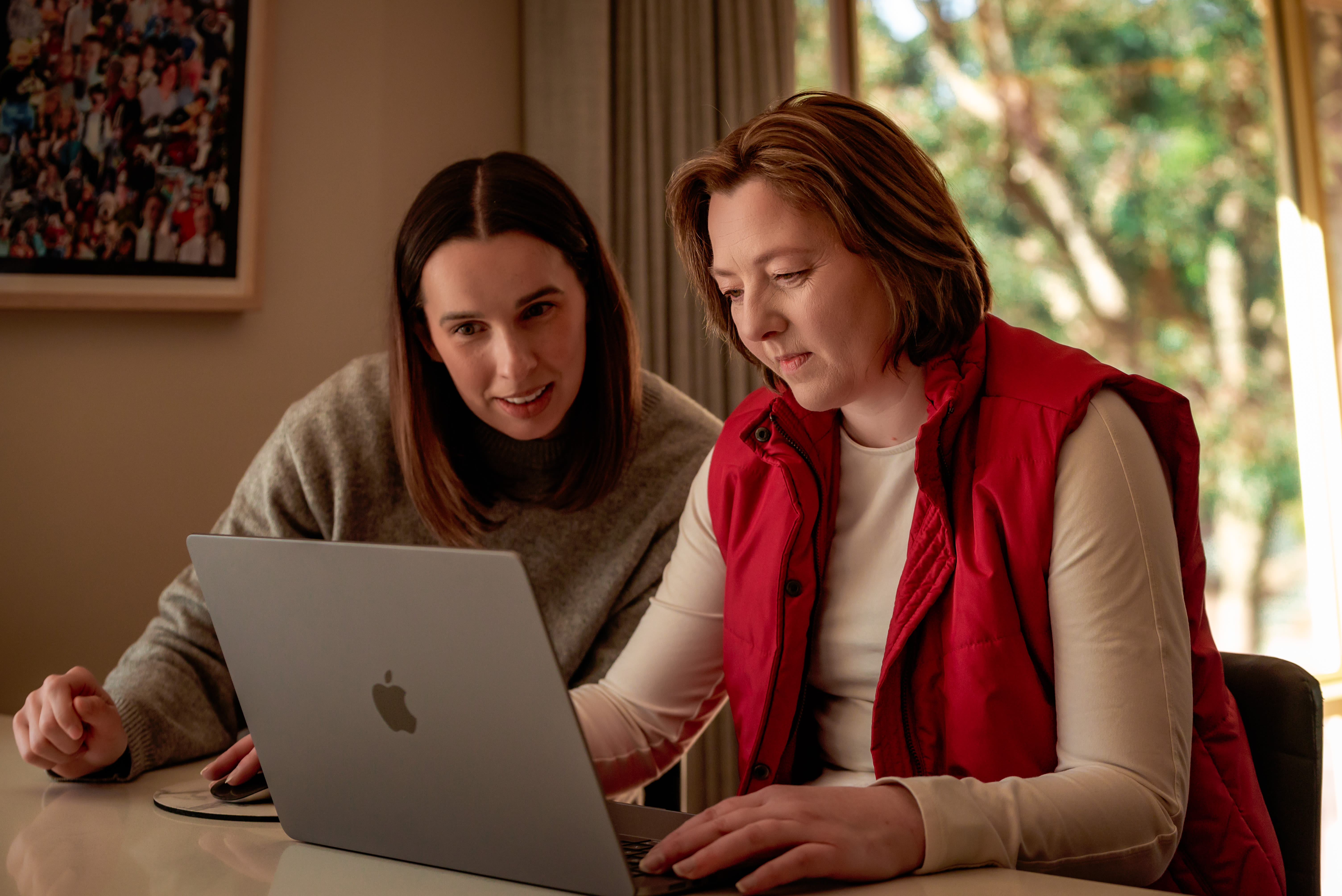 Accessibility in documentation means creating content that is usable by a wide range of people, including those with disabilities.Paid supports (and very often unpaid supports), have time pressures on them and aren’t necessarily available to provide assistance when required, often turning a simple task into a complex situation adding further pressure and delays that could equate to hours, days or weeks. Streamlining processes can alleviate the pressure on this cohort and means the person with disability has the autonomy to participate in the whole experience of choosing a provider. Without this approach, it becomes a denial of choice and control.Surely, we can accept different forms of acceptance of important documents, as we did during the COVID-19 pandemic – such as an email from the participant stating that they accept the documentation and everything it contains, utilising one of the many software packages out there like DocuSign, or a voice/video recording.
 Article published: November 2025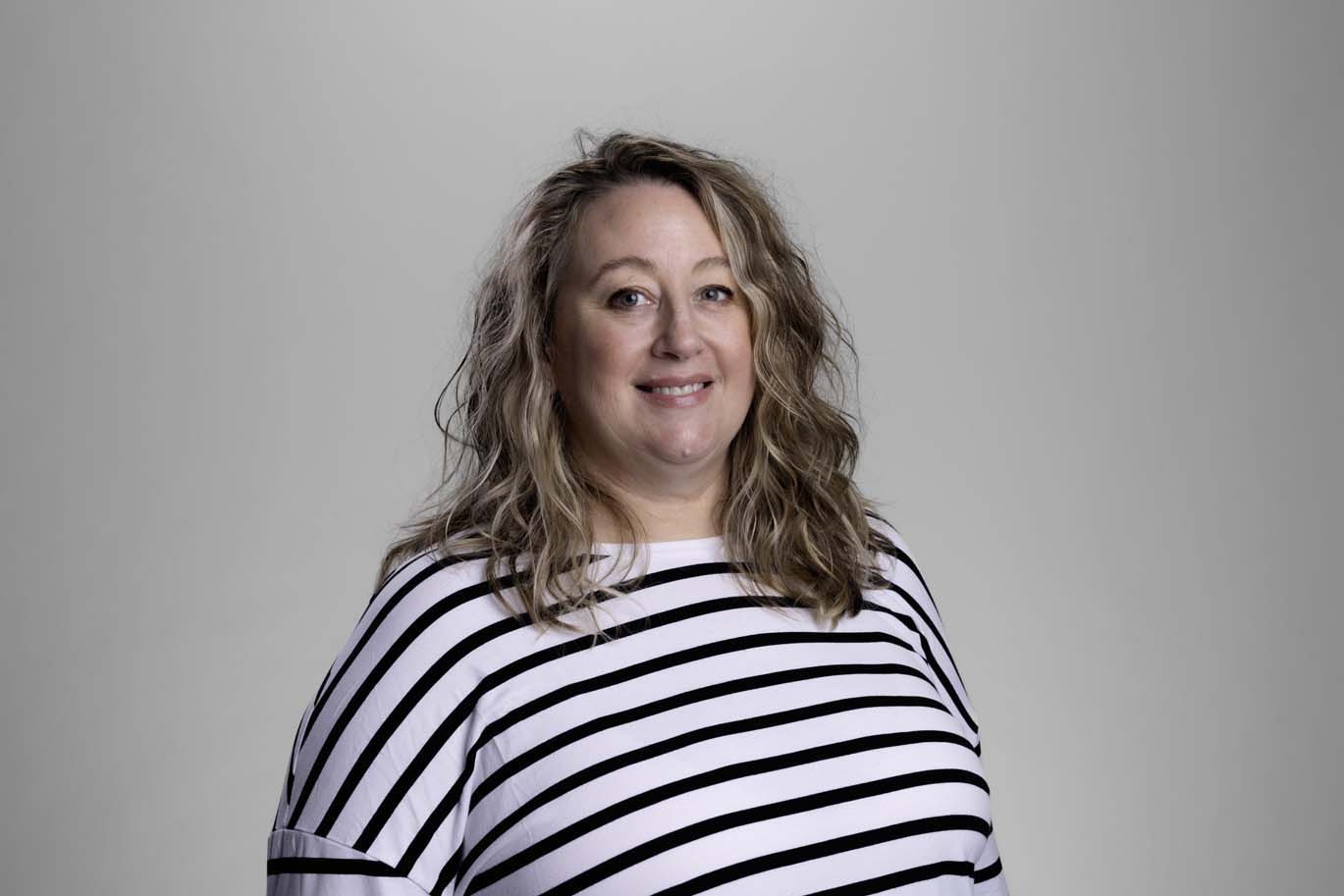
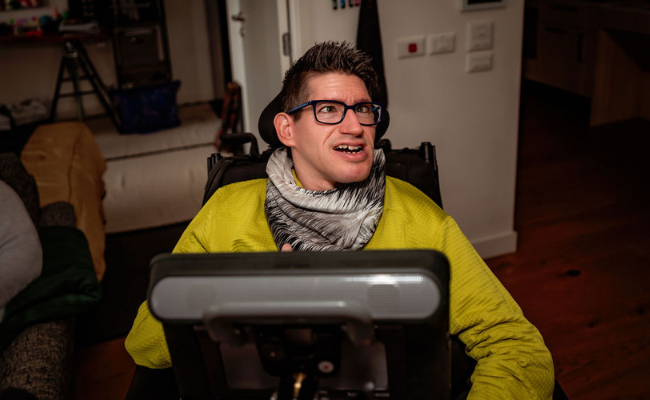

Throughout my time as a parent of a person with a disability, and professionally as an NDIS support coordinator and local area coordinator, I have often wondered about the lack of accessibility considerations in the documentation and application processes when accessing the NDIS.Too often, the NDIS and its providers create a divide between themselves and the people they support. The project to develop the Housing Hub’s Solving Problems in NDIS Housing resources, which involved co-design with people with disability and their supporters, highlighted the inaccessibility of service agreement forms as a major issue. This lack of accessibility often forces people to seek assistance (either unpaid or paid) to be able to sign documents before they can proceed.
Common issues include having to get someone to print a document before it can be signed, scanning and emailing documents back, the inability to physically sign documents and having to ask for documents to be signed on a person’s behalf.
 Accessibility in documentation means creating content that is usable by a wide range of people, including those with disabilities.
Meeting accessibility needs through appropriate communication
Communication is key. And what communication method is best for each individual is what we should be thinking about as a provider or an organisation. We need to consider how each person communicates and what tools, if any, they use. Does a person use a smartphone? Documents for this person would need to be configured to be accessed and signed on these types of devices, without having to ask someone for a printer to print it out. Similarly, a person might use an iPad or tablet, or a laptop. Again, it is important that the person be approached in their preferred communication style and that it is specific to the tools available to them.People with a disability have different communication needs: a person may be non-verbal, they may not have the ability to use their fingers, or they may have the inability to converse in a manner that is universally understood by a provider or organisation. That should not mean that we disregard or replace their voice with that of paid or unpaid supports or their decision-makers. A person with disability should not only be included in this; what is required is the space and support for them to steer the conversation.The blanket approach that is currently the norm does not support autonomy or self-advocacy. And it certainly does not provide a person with the ability to make their own decisions and enact them without having to engage their supports.Next steps for providers
Providers and organisations in this space need to find out what accessibility means to each person they support, or may support in the future.Plain English
Create electronic communications and documentation that use plain English, so that the person with a disability is able to ask for assistance only when and if they require it, rather than to simply sign off on admin related to their funding or support.Simple referral pathways
Make sure that your referral pathway is easy to navigate and understand, so that a person can provide all of the information required to make contact and engage with your services, without needing to ask for external support. This makes the process not only easier, but in line with best practice.Honouring choice & control
The sector set out to offer people with disability choice and control. When there is a question around decision-making, or who has the legal authority to sign the agreements, it could still be that there are two signatures – to allow for the person with a disability to have the dignity of being able to sign and date their own service agreement.Form formats
Create your service agreement so it can be used in many different forms and formats. A person with a disability can then choose whatever works best for them. To improve your processes, you may need to:- Ask your current clients about what barriers they potentially had when signing up to your services.
- Create co-design groups that are made up of your current and potential clients, and any professionals that are using your services.
- Always be seeking anonymous feedback of the onboarding process, potentially using third-party polling (the possibility of retribution/retaliation is a real concern for many people with disability).
- Access the many different disability-specific bodies out there that offer support with accessible documentation.
Best for business
Ultimately, supporting your clients to engage well with your services makes good business sense. Think about incorporating co-design and feedback on your onboarding and documentation signing processes, to ensure accessibility, clear understanding of rights, and an overall positive customer experience. As a community and sector, we have the ability to remove the “us and them” sentiment sometimes found in NDIS-related documents, processes and procedures. We can help establish best practice to make sure clients feel included and at ease when accessing home and living supports, without the added stressors of managing documentation issues that stall or derail the process. Housing Hub’s Home & Living Support Coordination team help participants to navigate NDIS documentation, eligibility, applications and more. You can learn more about our Home & Living Support Coordination service on our website. The Housing Hub’s Consulting team are the experts at supporting providers to develop simple solutions to improve their documentation accessibility. You can also learn more about our Consulting service on the Housing Hub website.Need help securing the right funding?
Access our Home & Living Support Coordination Service. Enquire or refer todayPhone: 1300 322 013Email: specialists@housinghub.org.au Article published: November 2025
About the Author
Edwina brings over 20 years of lived experience in the disability sector, spanning Supported Independent Living (SIL) and Specialist Disability Accommodation (SDA) applications, tenancy and service navigation. Her background includes Case Manager, Local Area Coordinator and Specialist Support Coordinator roles, with deep knowledge of NDIS funding pathways, provider engagement for complex needs and the requirements for achieving quality outcomes. Edwina is focused on enabling people with disability to navigate housing confidently and make sustainable choices for their present and future.
Browse Resources
Housing Seeker Profile
Creating a Housing Seeker Profile is a simple process which involves telling us what you are looking for and what is important to you.
Housing Roadmap
The Housing Hub has worked alongside people with disability to map out the stages of a housing journey and the information you need to know about when moving through each step.