Why Green Spaces Matter In Disability Housing
Cultivating Community CEO, Emma Watts, explains why green spaces are more than a “nice to have” in disability housing. Through community gardens, tenants can build skills, confidence and social connection, turning housing into a place of belonging, purpose and opportunity.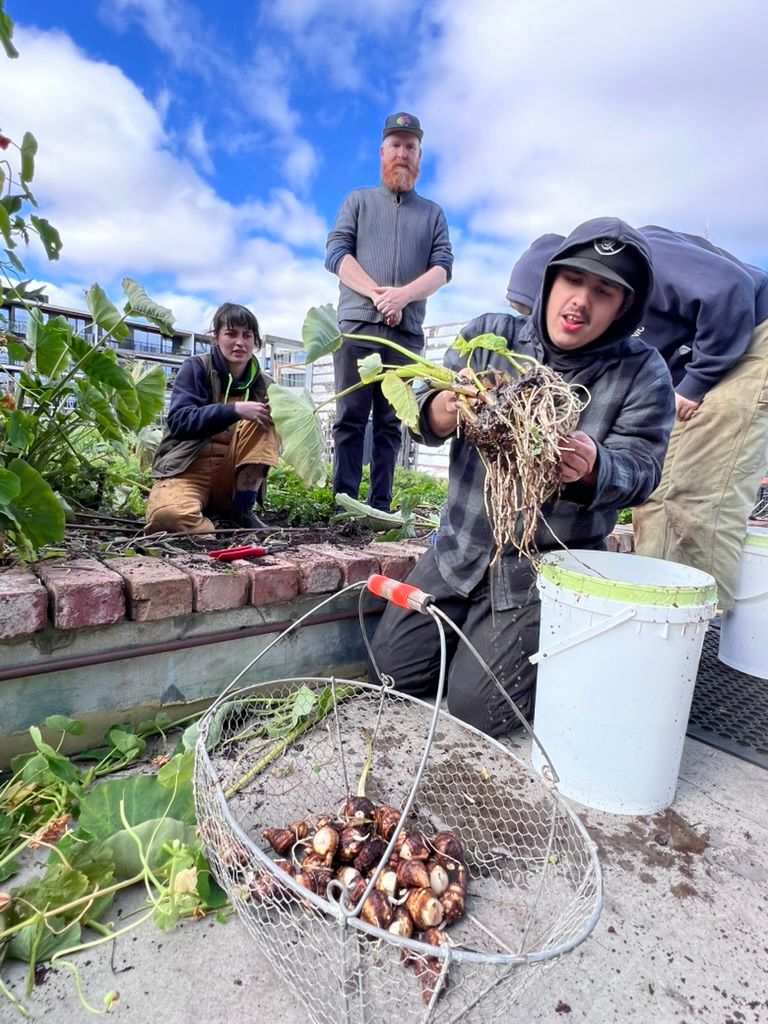 Cultivating Community members in the garden, making use of green spaces. (Image: Provided)
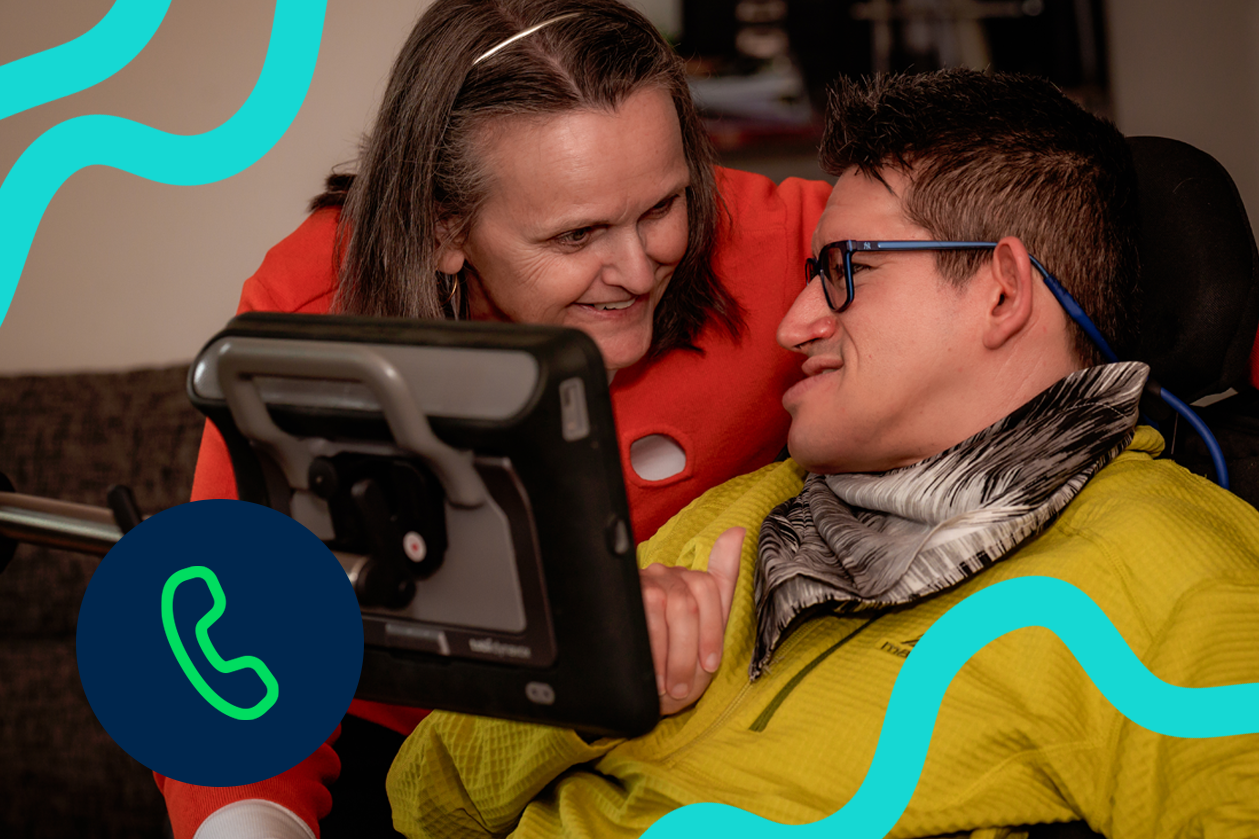
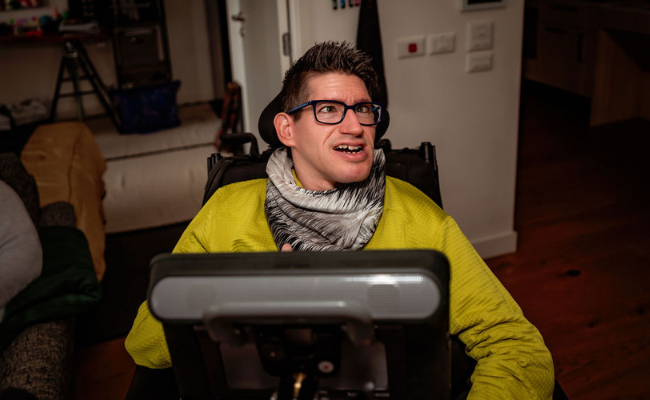

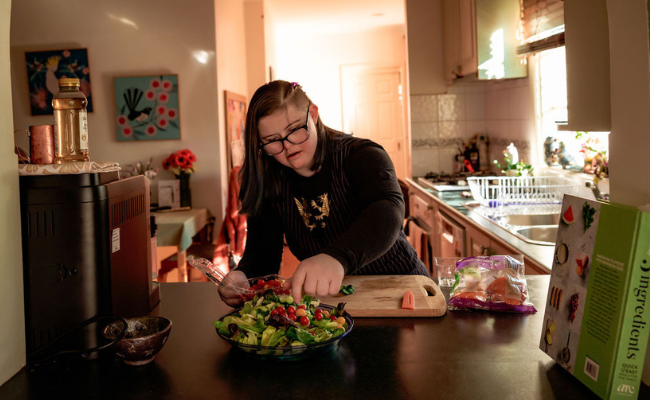
For many people, home is more than just a place to live. It is where connection, confidence and independence begin. Access to green space plays a critical role in this, yet it is often limited in higher-density housing, particularly in public and disability housing settings.“Through our work, and utilising these green spaces, we support people facing food insecurity, social isolation and barriers to employment to grow food, build social connection and create pathways into work,” said Cultivating Community CEO, Emma Watts.“We see the impact that access to green space can have. It creates opportunities for people to connect, build confidence and develop skills in ways that simply aren’t possible without it.”For people living with disability, these outcomes can be especially powerful, creating opportunities for connection, skill-building and greater independence.
Growing Connection & Independence Through Community Gardens
Community gardens create a different kind of environment. One that is accessible, welcoming and flexible.They provide:- A safe outdoor space close to home
- Opportunities to engage at your own pace
- A natural setting for connection without pressure.
 Cultivating Community members in the garden, making use of green spaces. (Image: Provided)
Supporting Independence Through Everyday Activities
Gardening offers simple, practical ways to build independence.Tenants can grow their own food, learn horticulture skills and take responsibility for their own garden plots. This creates routine, choice and a sense of ownership.“People build real skills and confidence in a supported environment,” Emma said.“For many, it’s a step toward greater independence and, for some, a pathway into employment.”
Building Social Connection And Reducing Isolation
Social connection is one of the most consistent outcomes of community gardens.A program participant said the produce grown in the garden isn’t the only benefit, and that “it is also a great opportunity to socialise and share our happiness or worries with other members.”Another participant explains how connection grows over time:“Gardening tends to be a personal thing but with the availability of this group, we get to learn from each other, share seeds and knowledge and get a lot of comfort in what’s going well or not going well in our own gardens,” they said.These everyday interactions build trust, reduce isolation and create a genuine sense of belonging.What This Means For Inclusive Housing
Disability housing is not just about physical design. It is also about access to connection, purpose and opportunity.And for many people living in disability housing, green spaces can make a real difference to everyday life. Article published: April 2026Questions about NDIS Housing?
Call the Housing Hub Advice Line1300 61 64 63For NDIS participants, their families, and supporters. Monday – Friday 10.00am – 4.00pm AEST. You can also email us anytime at housingoptions@housinghub.org.au.
Browse Resources
Housing Seeker Profile
Creating a Housing Seeker Profile is a simple process which involves telling us what you are looking for and what is important to you.
Housing Roadmap
The Housing Hub has worked alongside people with disability to map out the stages of a housing journey and the information you need to know about when moving through each step.