John's Specialist Disability Accommodation Journey – Building & Buying SDA
John shares his journey to SDA home ownership. His story provides hope and shows how perseverance and finding the right support and resources are the keys to independence and autonomy in your own SDA home. 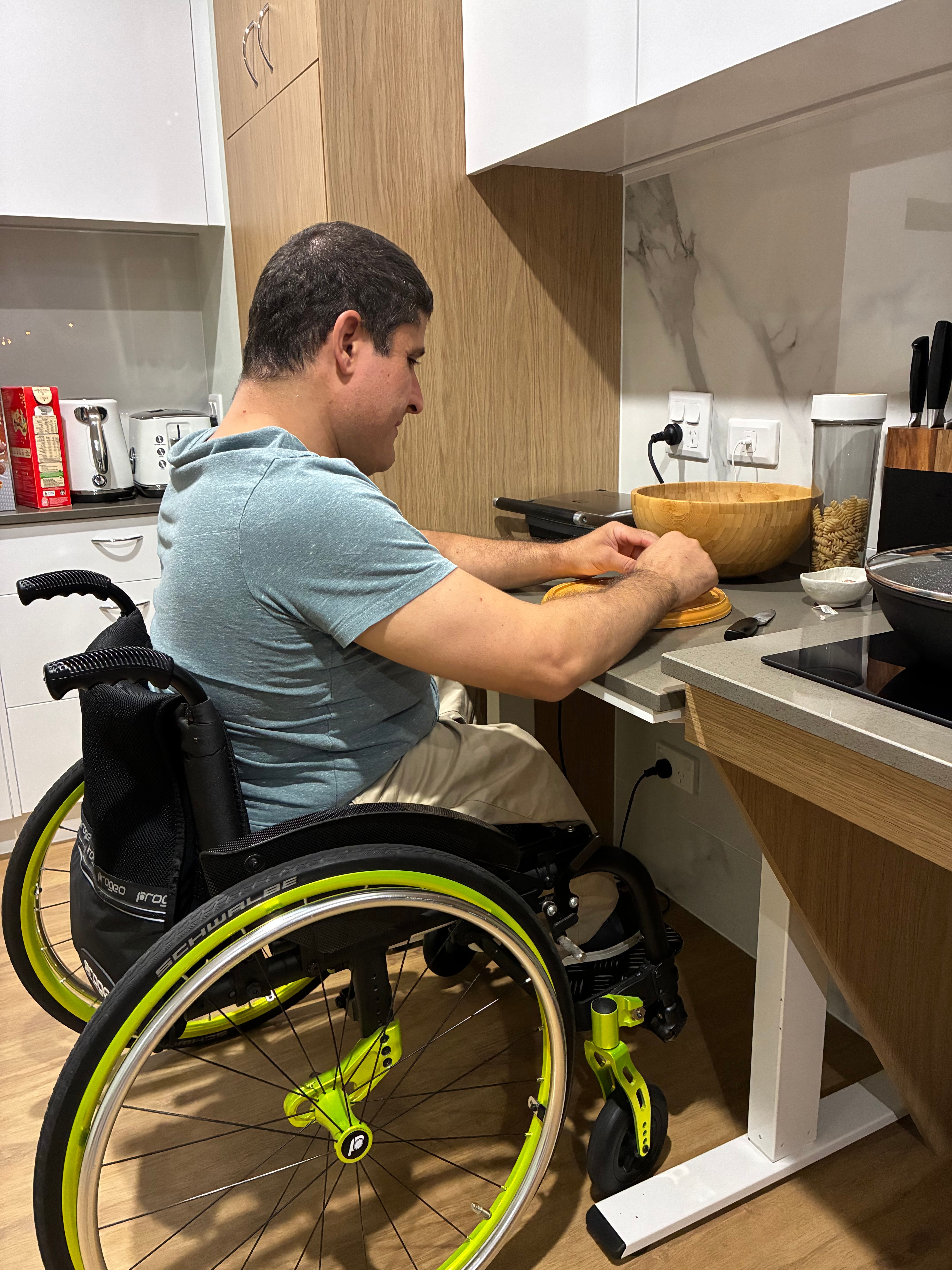 John preparing his own meals in his SDA apartment. In 2016, shortly after receiving my first NDIS plan, my social worker invited me to a presentation by Summer Foundation about SDA, a new disability housing model at the time. I thought SDA was limited to rental options, so I engaged an occupational therapist (OT) – who had successfully helped me to apply for equipment funding – to apply for SDA. In 2018, my first SDA application was rejected. A door was left ajar. The National Disability Insurance Agency (NDIA) provided targeted support coordination for my housing search. After extensive due diligence and conversations with several providers, I engaged with the guidance of SDA Services. The team at SDA Services then referred me to an SDA specialist occupational therapist who conducted a comprehensive functional assessment, examining every aspect of my physical accessibility, independence, self-care, emotional needs, lifestyle, and future housing requirements.


The Road to Independence
While it may sound cliché to describe my Specialist Disability Accommodation (SDA) journey as life-changing, it truly has been.I live with spina bifida, am a wheelchair user and have hydrocephalus. Cognitive sequencing, information processing speed, planning, and organisation can be confusing and, at times, frustrating, but growth supercharges with a dream.Hear the story from John himself
 John preparing his own meals in his SDA apartment.
 Renting vs Building/ Buying SDA
After inspecting many rental apartments, I learnt a crucial point about my dream of independence: the community in which I lived was as important as the apartment itself. For example, the apartments I was inspecting were on train lines, but public transport doesn’t suit my needs, and the apartments were too far and too inaccessible to daily amenities within wheeling distance.The numbers for renting also didn’t stack up. It was then when a mutual friend with SDA Services introduced me to the idea of SDA home ownership. At first, the dream felt impossible. Since age 16, I had been on the public housing waitlist, but because I had stable housing with my family, I was never prioritised. Home ownership had never seemed achievable.The Building & Buying Process
I was lucky enough to find a hole in the ground – a brand new build. The developer had previously completed a High Physical Support SDA build, so they were familiar with SDA certification and Design Standards. He prepared to design and build my apartment to Fully Accessible Design Standards, though the other 12 SDA apartments in the 52-unit complex were designated Improved Liveability. SDA Services connected me with a financial institution, which created a home loan based on my SDA funding.They were always available to answer questions and explain funding, housing design, and SDA legislation. Without their expertise, I would not have achieved my goal.Today, I own my own SDA home. A fully accessible, one-bedroom, two-bathroom apartment in Brisbane’s northern suburbs, located in an off the plan development.My apartment is a unique build. I have access to an onsite concierge service that assists with small but crucial tasks such as taking out bins, allowing me to focus on work, social, and community activities. I manage my household, do my own shopping, engage socially, and participate fully in my community. I am living a full, independent, and thriving life.I want to share my story with disability organisations and be a role model for others with disability — helping them navigate fears, challenges, and barriers, and showing that home ownership is possible. By sharing my lived experience, I hope to connect people with supports and services and demonstrate that resilience, determination, and a clear vision can create real change.If you know why you want to build or buy your own SDA and hold that vision clearly, progress becomes possible — moment by moment. The road may be long and uneven, but there is hope, growth, and fulfillment on the other side.Article published: March 2026
About The Author
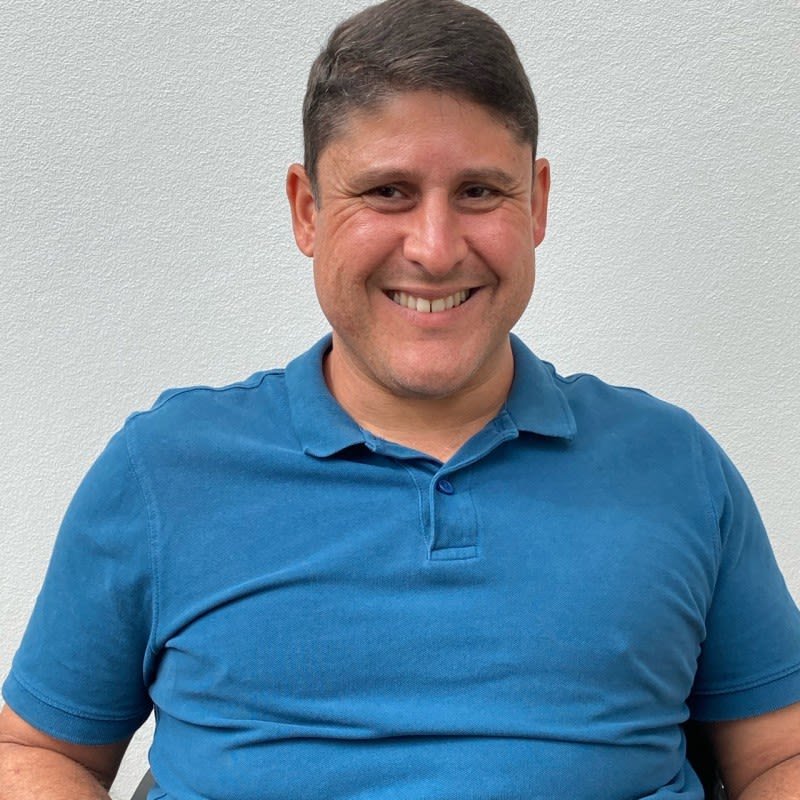
John Catania is an advocate, mentor and public speaker on disabilities. He is committed to educating disability organisations about how their roles affect people with disability. John works with compassion, empathy, and a focus on solutions to help people with disability navigate bureaucratic systems, particularly SDA home ownership.
Browse Resources
Housing Seeker Profile
Creating a Housing Seeker Profile is a simple process which involves telling us what you are looking for and what is important to you.
Housing Roadmap
The Housing Hub has worked alongside people with disability to map out the stages of a housing journey and the information you need to know about when moving through each step.