Finding Flexible & Accessible Employment Opportunities
Jamie-Lee explains how the NDIS rollout made flexible employment opportunities more accessible and how she found work that suited her needs.
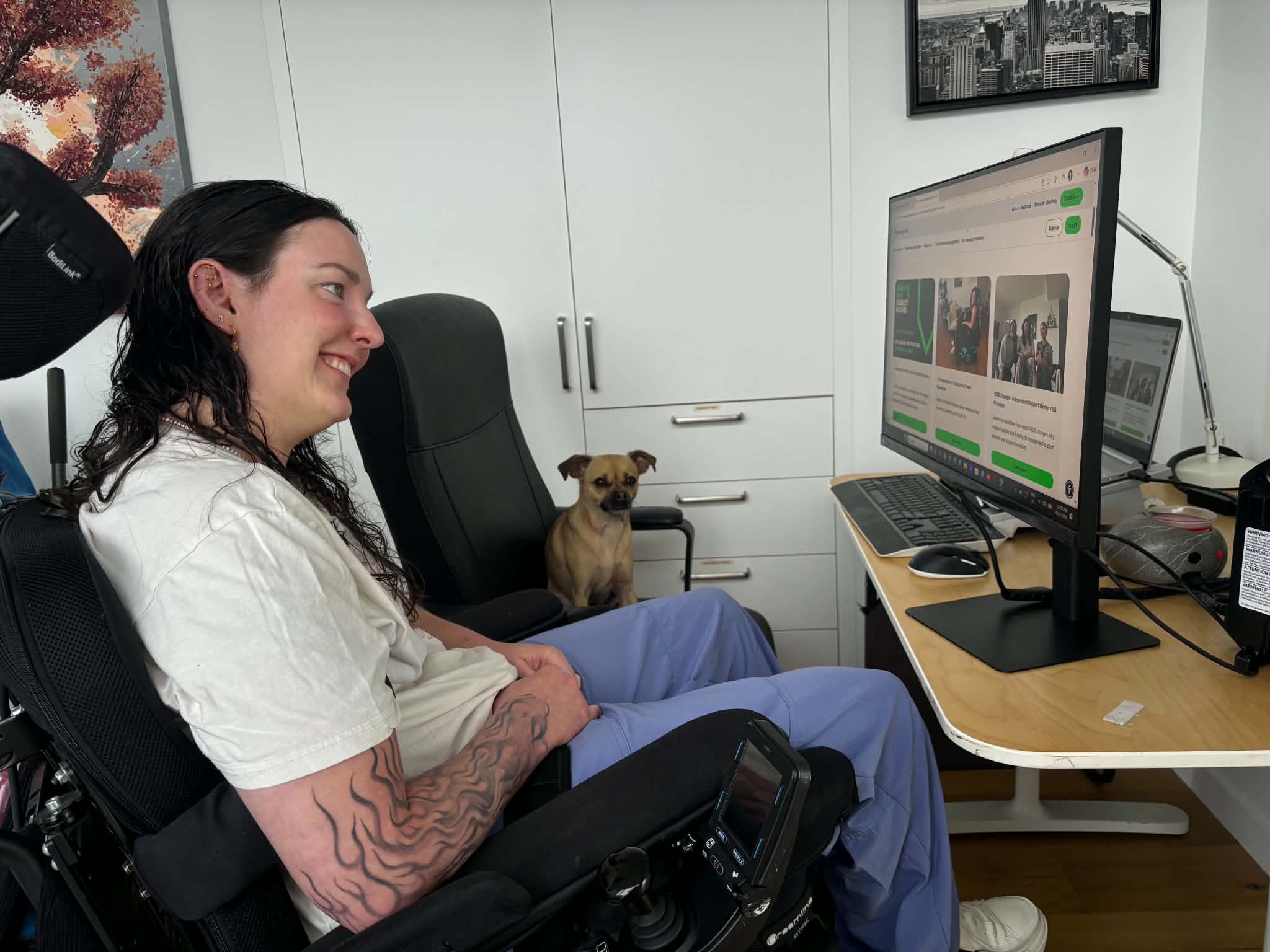 Jamie-Lee working on her computer.I started by doing volunteer work for Summer Foundation, which led to paid writing opportunities at the Housing Hub.Flexible hours played a role in letting me believe that my condition would no longer be an issue in gaining employment. It’s really empowering to know there are jobs and opportunities for people with lived experience, who may struggle to find suitable work.My confidence has grown in ways I couldn’t have imagined. I never thought my work would be heard or considered worthwhile to be read. I’m currently in the process of publishing my first children’s book, which is something I never thought possible.Having accessible employment has helped me in a multitude of ways; gaining structure and purpose, making connections and being a contributing member of society.
The Housing Hub currently lists over 5,500 homes for people with disability. Search for a home that is right for you today!Or better still, create a Housing Seeker Profile and let the Housing Hub do the hard work for you. Sign up here!
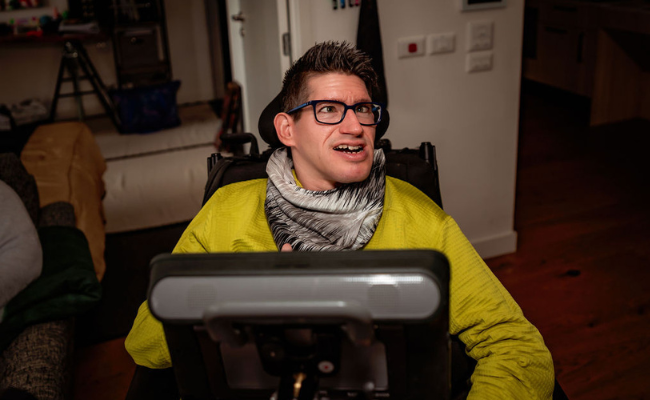

I know from personal experience, I really struggled with finding flexible and accessible employment opportunities after graduating from university with a degree in journalism. My confidence was low and I didn’t think I would ever be able to land a job with my progressive condition.I live with a lot of fatigue and would not be able to work standard full-time hours. I also have regular exercise appointments to help slow down the progression of my condition, so I need a lot of flexibility and variability within my week.When I lived in a group home, another tenant really motivated me to seek employment. I never thought it would be possible until I saw him breaking the mould by working full-time and not letting his disability define his life.When the National Disability Insurance Scheme (NDIS) began rolling out, employment became something I could imagine accessing. There were a lot more lived experience jobs available with flexible hours than I expected. People with disability suddenly had the opportunity to access inclusive opportunities and platforms to share their voices.
 Jamie-Lee working on her computer.
How To Find an Accessible Job
If anyone out there is looking for lived experience jobs, reach out to your support coordinator to see if they know of any jobs that are available. JobAccess is a good resource with lots of information regarding accessible and flexible employment opportunities. Searching terms such as ‘lived experience’ on job platforms such as Workforce Australia, Ethical Jobs or Seek is also a good place to start. When applying for a job at an organisation or business, consider looking up its website to research if an accessibility policy or statement is publicly available. If you can’t find a public policy or statement, you can ask about the organisation or company’s policies during a job interview. If you secure a job interview, prepare questions to ask the person, including how accessibility, lived experience and flexibility is upheld in the workplace.About The Author
Jamie-Lee loves to challenge stereotypes surrounding disability; her lived experience of growing up with a disability motivates her advocacy. Having studied journalism at university, she uses her writing skills to her advantage. She hopes to help other people with a disability along their journey, encouraging vulnerable people to find their voice. She believes that diversity will pave the way to equality for all.The Housing Hub currently lists over 5,500 homes for people with disability. Search for a home that is right for you today!Or better still, create a Housing Seeker Profile and let the Housing Hub do the hard work for you. Sign up here!
Browse Resources
Housing Seeker Profile
Creating a Housing Seeker Profile is a simple process which involves telling us what you are looking for and what is important to you.
Housing Roadmap
The Housing Hub has worked alongside people with disability to map out the stages of a housing journey and the information you need to know about when moving through each step.