Accessible Amenities in SDA for Inclusivity and Connection
Jamie-Lee shows that speaking up can lead to real change, and calls for accessible communal facilities to be embedded in SDA Design Standards. The message is clear: accessibility isn’t optional. It’s essential for dignity, belonging and equality.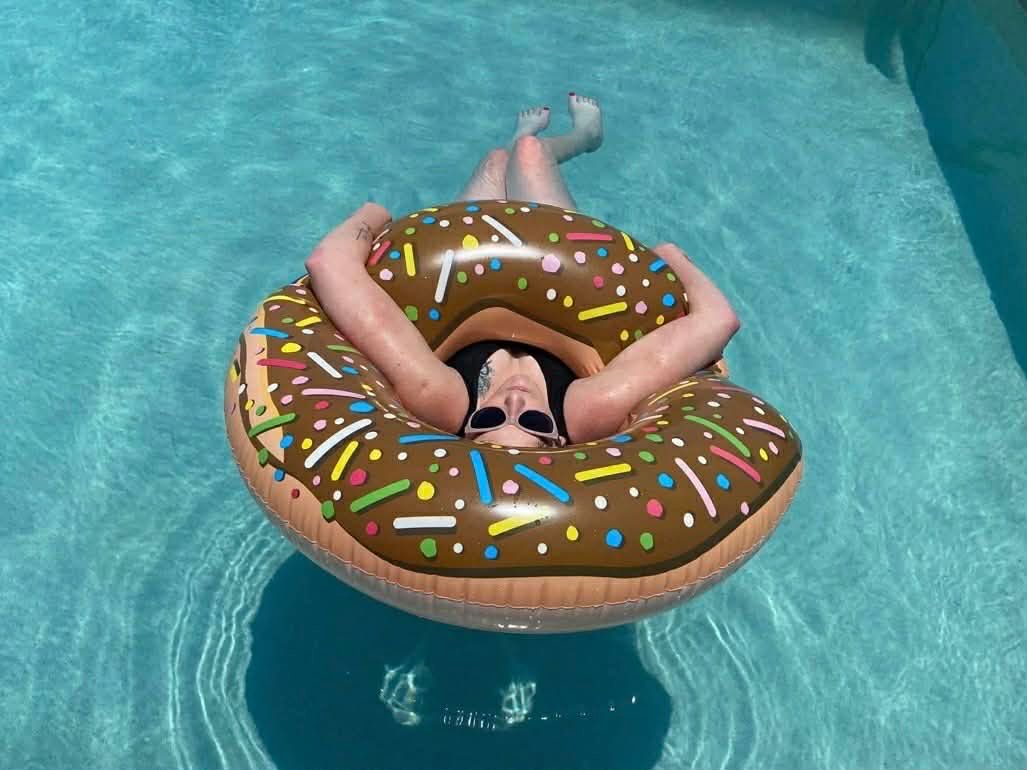 Jamie-Lee enjoying the pool after advocating for a hoist. If I was able to access the pool area, I would be able to engage with everyday activities and experiences, and foster relationships with other tenants and my neighbours.
The Housing Hub currently lists over 5,500 homes for people with disability. Search for a home that is right for you today!Or better still, create a Housing Seeker Profile and let the Housing Hub do the hard work for you. Sign up here!

Accessibility is Inclusion
The communal area of my Specialist Disability Accommodation (SDA) apartment building was damaged in a cyclone that impacted Queensland last year in March and it has only recently opened.I assumed that fixing the communal pool area would include accessibility improvements so it could be used by all SDA tenants, but I have found those who use a wheelchair aren’t able to use it as there is no hoist, chair lift or ramp. I believe this is discriminatory, and I think all tenants should be able to access and enjoy the shared facilities.It isn’t appropriate to exclude some SDA tenants from using these facilities, and it deprives us from engaging with others who live in the same building. Jamie-Lee enjoying the pool after advocating for a hoist.
 Accessibility Encourages Connection
One of the purposes of SDA communities is to address the issue of people with disability feeling left out of society. It is important for tenants in these SDA homes to interact with neighbours when they want and feel included in their own community. Community inclusion is about creating an environment where everyone can be included and acknowledged. It's not only about the ability to access communal areas but encourages a sense of connection and acceptance.Stella Young discusses the social model of disability in her 2014 TED Talk, “People are disabled by barriers in society, not by their bodies or diagnosis.” Queensland Government’s Partnering for inclusive housing’s social model recognises barriers that make life more complicated for people with disability. Removing these barriers creates equality and offers people with disability more agency. If SDA tenants were able to access all of the common spaces and facilities, it would help to bridge social gaps and encourage connection amongst tenants.It can often feel like a facility and not a home when you are unable to access communal areas, which defeats the purpose of SDA.I believe these accessible considerations in communal facilities should be included in the SDA Design Standards.Always Advocate for Accessibility
At my previous SDA, I firmly encouraged the housing provider to install a pool hoist for tenants to access the pool. By doing so, one was installed and I was able to make some nice memories in the pool. I spoke to my Tenant Liaison Officer through my current housing provider and asked them to raise the issue on my behalf. They have agreed and are awaiting body corporate approval. Our landlord and a portion of our rent contributes to the maintenance of these amenities, so I believe they should be accessible to everyone that lives here.I have friends in different SDA buildings who feel the same but they are uncomfortable raising issues, as they do not want to ‘rock the boat’ with their landlord or housing provider.I feel tenants should speak up and advocate for themselves when they feel safe to do so. Otherwise, changes won’t happen and the social barriers will remain in place.Article published: March 2026
About The Author
Jamie-Lee loves to challenge stereotypes surrounding disability; her lived experience of growing up with a disability motivates her advocacy. Having studied journalism at university, she uses her writing skills to her advantage. She hopes to help other people with a disability along their journey, encouraging vulnerable people to find their voice. She believes that diversity will pave the way to equality for all.The Housing Hub currently lists over 5,500 homes for people with disability. Search for a home that is right for you today!Or better still, create a Housing Seeker Profile and let the Housing Hub do the hard work for you. Sign up here!
Browse Resources
Housing Seeker Profile
Creating a Housing Seeker Profile is a simple process which involves telling us what you are looking for and what is important to you.
Housing Roadmap
The Housing Hub has worked alongside people with disability to map out the stages of a housing journey and the information you need to know about when moving through each step.